Reviewing the Whimsical Icy Blue Teddy Bear Christmas Design
As an embroidery designer who has spent countless hours digitizing and testing files, I approach every new machine embroidery design with a critical eye. It is not just about whether the image looks cute on a screen; it is about how that digital file translates into thread on fabric. Recently, I evaluated the Whimsical Icy Blue Teddy Bear Christmas design to determine its viability for real-world projects. This piece falls under the category of Illustrations, which often presents unique challenges regarding stitch placement and density. My goal was to assess whether this asset could hold up in a professional setting, from custom client orders to small batch production for my own shop.
First Impressions and Visual Mood
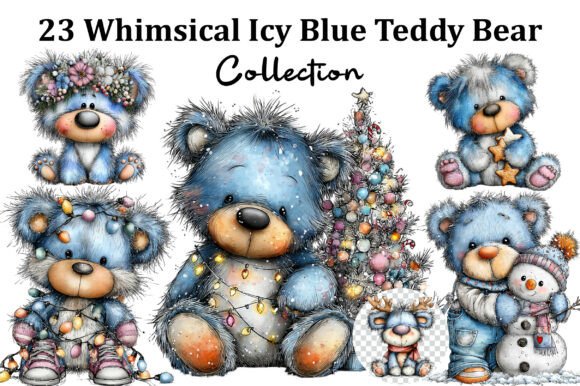
The initial appeal of the Whimsical Icy Blue Teddy Bear Christmas lies in its color palette and thematic execution. The icy blue tone suggests a winter wonderland aesthetic rather than traditional red and green holiday cheer. This subtle shift makes it versatile for modern nurseries or boutique clothing lines that prefer understated elegance. The layout feels balanced, with the teddy bear serving as the focal point without overwhelming the surrounding negative space. For those of us creating design assets for seasonal collections, this mood is crucial. It evokes calmness and nostalgia, which are powerful drivers for customer engagement during the holiday rush.
When viewing the design as a potential embroidery project, I immediately considered the level of detail. Illustrative styles can sometimes suffer from loss of clarity if the digitizer relies too heavily on tiny running stitch outlines or overly dense fill stitch areas. However, this design appears to maintain clean lines, suggesting that the digitizer understood the limitations of thread. The visual personality is soft and approachable, making it an ideal candidate for items meant to be touched and held, such as baby blankets or plush toys.
Real-World Application Scenarios
To truly test the value of this file, I imagined several practical applications. The most obvious use case is sweatshirt embroidery. A crewneck sweatshirt in heather gray or cream would provide the perfect neutral backdrop for the icy blue threads. The design’s scale seems appropriate for a left-chest placement or a larger back print, depending on the specific hoop capabilities of your machine. For Etsy sellers looking to differentiate their holiday listings, this design offers a fresh alternative to standard Santa Claus motifs.
Another strong contender is the tote bag design. Canvas tote bags are staples in craft fairs and boutique shops. Stitching this teddy bear onto a natural cotton canvas creates a charming, handmade look that appeals to eco-conscious shoppers. The durability of the stitch pattern would need to withstand regular washing, so checking the stitch density is vital. If the density is too low, the fabric might show through; if too high, the bag could pucker. In my assessment, this design strikes a reasonable balance, provided you use the correct stabilizer.
I also considered its use in baby embroidery. Onesies and burp cloths are high-volume items for small business owners. The soft color palette is gender-neutral, which broadens the market appeal. However, when working with delicate baby fabrics, one must be cautious about the backing material. A cut-away stabilizer might be too stiff for a onesie, so a high-quality tear-away or wash-away option would be necessary to maintain the garment's softness against sensitive skin.
Technical Considerations and Fabric Compatibility
While the design is visually appealing, technical execution is where many projects fail. When using this digital embroidery file, fabric choice plays a pivotal role. On textured fabrics like terry cloth or fleece, the finer details of the teddy bear’s face might get lost. In such cases, increasing the size of the design or simplifying the background elements could help maintain clarity. Conversely, on smooth fabrics like broadcloth or polished cotton, the satin stitch borders should pop nicely, offering a crisp definition.
Dark fabrics present another challenge. If you plan to stitch this on navy or black apparel, the icy blue threads may not have enough contrast. In these scenarios, adding a white underlay or using a lighter shade of blue for the highlights can improve visibility. Always test the design on scrap fabric first. This step allows you to check thread colors and tension before committing to a final finished product. It also helps identify any potential nesting issues where stitches might overlap incorrectly.
Curved surfaces, such as caps or hats, require special attention. The Whimsical Icy Blue Teddy Bear Christmas design might distort if placed on a highly curved panel without proper hooping techniques. Using a cap frame and ensuring the design is centered correctly can prevent skewing. For embroidered patch creation, this design works well because the edges appear clean, allowing for a neat merrowed border or satin stitch edge finish.
Enhancing Product Value and Brand Consistency
From a business perspective, the quality of your embroidery directly impacts customer trust. A well-stitched personalized gift featuring this teddy bear can command a higher price point than a generic printed item. It signals craftsmanship and attention to detail. For commercial embroidery projects, consistency is key. Ensuring that every unit produced looks identical requires strict control over thread brands and machine maintenance. This design’s simplicity aids in that consistency, as there are fewer complex color changes that could lead to variation between batches.
Moreover, the design’s aesthetic supports brand consistency for shops focusing on whimsical or vintage-inspired goods. It fits seamlessly into a cohesive collection of holiday items, reinforcing brand identity. When creating printable mockup images for online listings, the clear lines of the design translate well into digital previews, helping customers visualize the final product. This visual clarity can significantly boost buyer engagement and conversion rates.
Practical Notes for Designers and Makers
Before integrating the Whimsical Icy Blue Teddy Bear Christmas into your workflow, consider these practical steps. First, verify the licensing terms. While many designs allow for commercial use on physical items, some restrict the resale of the embroidery file itself. Always confirm these details to protect your business. Second, review the recommended hoop size. Ensure your machine can accommodate the dimensions without requiring excessive re-hooping, which can lead to misalignment.
Third, inspect the small details. Zoom in on the digitized file to check for jump stitches or unnecessary trims. A clean file reduces machine wear and tear and speeds up production time. Finally, consider the end-user experience. If the item is a holiday gift or a frequently washed garment, ensure the threads used are colorfast and durable. Polyester threads are often a good choice for their strength and sheen, especially for outdoor or high-use items.
In conclusion, the Whimsical Icy Blue Teddy Bear Christmas design offers a blend of charm and practicality. It suits a wide range of applications, from custom apparel to home decor. By paying attention to fabric selection, stabilizer choice, and stitch quality, designers and makers can leverage this asset to create high-value, appealing products. Whether you are a hobbyist making gifts for family or an Etsy seller building a holiday inventory, this design holds promise for successful execution. Just remember to test, adjust, and refine your process to achieve the best possible result.