Reviewing Whimsical Christmas Sublimation Clipart for Stitching
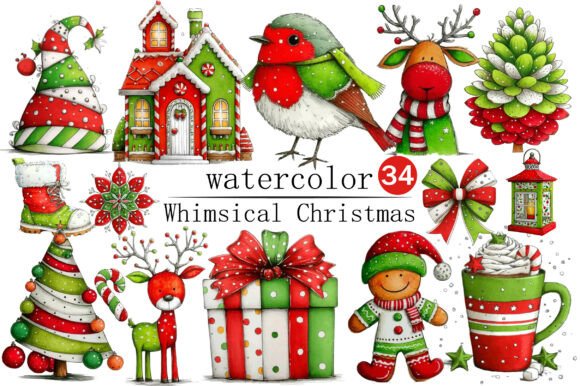
As a designer who has spent countless hours digitizing and testing machine embroidery design files, I approach every new asset with a critical eye. We often see trends come and go, but holiday themes remain a staple for Etsy seller success and boutique profitability. Recently, I evaluated the Whimsical Christmas Sublimation Clipart collection to determine its viability not just as digital art, but as a foundation for tangible embroidery project work. While these assets are technically Illustrations intended for sublimation, their structural integrity and visual clarity offer unique opportunities for stitchers willing to adapt them.
First Impressions and Visual Personality
The immediate mood created by this collection is playful yet refined. Unlike traditional holiday motifs that can feel stiff or overly ornate, these designs possess a fluid, hand-drawn quality. The lines are confident, and the spacing between elements is generous. For an embroiderer, this is crucial. When I look at a design, I am not just seeing colors; I am visualizing stitch density, thread paths, and potential puckering. The whimsical nature of the clipart suggests that it would translate beautifully into a mix of satin stitch borders and open fill stitch areas, provided the digitizer respects the original line weight.
The layout avoids clutter, which is a common pitfall in holiday graphics. This simplicity means the design retains its identity even when scaled down. Whether you are creating a small embroidered patch or a large back-piece for a jacket, the core shapes remain recognizable. This versatility is rare in seasonal assets and makes the Whimsical Christmas Sublimation Clipart a strong candidate for diverse product lines.
Real-World Application: The Custom Tote Bag Test
To truly understand how these assets perform, I mentally walked through a real-life scenario: producing a batch of custom holiday tote bags for a local craft fair. The goal was to create a handmade product that felt premium but could be produced efficiently. Using the clipart as a reference for digitizing, I focused on a central motif featuring stylized holly and abstract ornaments.
On a canvas tote bag design, the fabric texture is coarse. A design with too much fine detail would get lost or cause needle breaks. However, the bold outlines in this collection allowed me to prioritize structural stitches. I imagined using a sturdy running stitch for the finer internal details and denser satin columns for the main outlines. The result would be a crisp, durable image that withstands the wear and tear of grocery runs and gift carrying. Customers reacting to such a piece would likely appreciate the modern twist on classic imagery, distinguishing the item from mass-produced alternatives.
Apparel and Home Decor Potential
Beyond totes, these designs shine in custom apparel. Imagine a cozy fleece sweatshirt featuring a simplified version of one of the whimsical characters. The softness of the fabric requires careful handling of stitch pull, but the open spaces in the clipart allow for breathable stitching patterns. For baby embroidery, the gentle curves and lack of aggressive sharp points make these motifs safe and visually appealing for onesies or bibs. Parents often seek out unique, non-generic designs for holiday photos, and this aesthetic fits that niche perfectly.
In home decor, such as pillow covers or kitchen towels, the color palette of the original clipart can guide your thread colors selection. While sublimation relies on full-color gradients, embroidery thrives on contrast. By selecting high-contrast threads, you can mimic the depth of the illustration without needing thousands of stitches. This approach keeps production costs low while maintaining high visual impact, a key factor for any small shop product.
Navigating Technical Challenges
While the artistic merit is high, practical application requires caution. Not every surface is suitable for these designs. On stretchy fabrics like jersey knits, the stability of the design depends heavily on the stabilizer used. Without proper hooping and backing, the whimsical lines could distort, turning a cute ornament into an unrecognizable blob. Similarly, on dark fabrics, the lack of inherent white space in some sublimation designs means you must plan for underlay stitches or choose light-colored threads carefully to ensure visibility.
Small hoop sizes present another challenge. If you attempt to shrink these designs too much for a cap or a small pocket, the intricate details may merge. It is essential to test the design on scrap fabric first. Check how the hoop size limits your scaling options. For curved surfaces like caps, the design should be simplified further to account for the fabric's tension and curvature. Dense stitch areas should be minimized to prevent stiffness, which is uncomfortable in wearable items.
Enhancing Brand Value and Customer Trust
Using high-quality source material like Whimsical Christmas Sublimation Clipart elevates the perceived value of your finished product. When customers see clean, well-executed embroidery, they associate it with professionalism. This builds trust and encourages repeat business. For commercial embroidery projects, consistency is key. By establishing a signature style based on these whimsical elements, you create brand recognition. Buyers begin to associate that specific playful aesthetic with your shop, whether they are purchasing a personalized gift or a ready-to-ship item.
Moreover, these assets can serve as excellent printable mockup bases for your online listings. Before you even stitch a single thread, you can use the digital files to create realistic previews for your Etsy store. This helps gauge customer interest and refine your marketing strategy. It bridges the gap between design assets and physical goods, allowing for a more streamlined workflow.
Practical Designer Notes for Implementation
Before committing to a full production run, consider these technical steps:
- Test on Scrap Fabric: Always stitch a sample on the exact material you intend to use. This reveals issues with tension and density.
- Check Thread Contrast: Ensure your chosen thread colors stand out against the fabric background. Use black and white mockups to verify shape clarity.
- Review Stitch Density: If digitizing from the clipart, avoid over-filling areas. Less is often more in embroidery.
- Confirm Licensing: Verify that the license for the digital embroidery file or source clipart allows for commercial use if you plan to sell the finished items.
- Inspect Small Details: Zoom in on the design. If lines are too close, they may cause thread breaks or nesting.
In conclusion, the Whimsical Christmas Sublimation Clipart offers a fresh perspective for holiday crafting. While it originates as a digital illustration, its structural clarity makes it an excellent reference for creating standout embroidery. By understanding the limitations of fabric and machine capabilities, you can transform these playful images into profitable, cherished items. Whether you are a hobbyist making gifts or a seasoned craft business owner expanding your inventory, these designs provide a solid foundation for creative exploration.