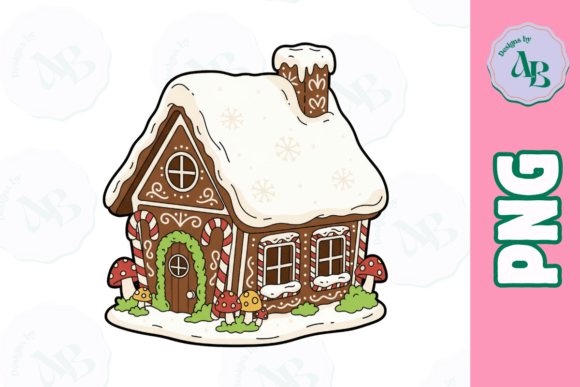
Reviewing the Cottagecore Christmas Gingerbread House Design
As a designer who has spent countless hours staring at digitized files and watching needles punch through fabric, I have developed a keen eye for what makes an embroidery design truly work in the real world. It is not just about how pretty the preview looks on a screen; it is about how the Cottagecore Christmas Gingerbread House behaves under the needle, how it sits on different textiles, and whether it holds up to the scrutiny of a paying customer. This year, I took this specific illustration-based design for a spin across several projects to see if it lives up to its aesthetic promise.
First Impressions and Visual Personality
The moment I opened the file, the mood was immediately clear. This is not your standard, rigid holiday clipart. The Cottagecore Christmas Gingerbread House leans heavily into that warm, nostalgic, hand-drawn aesthetic that defines the cottagecore trend. The lines are organic rather than geometric, suggesting a whimsical, storybook quality. For embroidery designers, this presents both an opportunity and a challenge. Organic lines require careful digitizing to ensure they do not look jagged or overly pixelated when converted into stitches.
The layout feels balanced, with a central focus on the gingerbread structure surrounded by subtle decorative elements. In terms of visual personality, it screams "cozy." It is the kind of image that invites touch. When evaluating illustrations for embroidery, I always look for clarity in the silhouette. Does the shape read well from a distance? In this case, yes. The distinct roofline and the rounded edges of the house create a recognizable form even before you get close enough to see the individual stitch patterns.
Real-World Application: The Tote Bag Test
To test the practical viability of this design, I chose a classic canvas tote bag as my first substrate. Canvas is unforgiving; it shows every gap in coverage and every tension issue. I wanted to see if the Cottagecore Christmas Gingerbread House could handle the textured surface of a heavy-duty cotton canvas.
I opted for a medium-weight cut-away stabilizer to prevent puckering, which is crucial when dealing with fill stitches on woven fabrics. The result was charming. The design sat flat, and the thread colors popped against the natural beige of the canvas. I used warm browns for the house, creamy whites for the icing details, and muted greens for surrounding foliage. This color palette reinforced the vintage, handmade feel. For Etsy sellers and small shop owners, this is a key takeaway: this design works exceptionally well as a tote bag design because it tells a complete visual story without needing excessive text or clutter.
Apparel and Custom Gifts
Moving beyond accessories, I tested the design on a heavyweight fleece sweatshirt. Sweatshirt embroidery requires a different approach. The fabric is thick and stretchy, so hoop stability is paramount. Here, the Cottagecore Christmas Gingerbread House shined as a chest-left logo or a larger back print. The density of the satin stitch borders helped define the edges against the fuzzy texture of the fleece.
This application opens doors for personalized gifts. Imagine adding a family name in a complementary script font beneath the house. It transforms a generic holiday item into a cherished keepsake. For baby embroidery, however, caution is advised. While the theme is sweet, the stitch density might be too high for delicate infant skin unless backed with a soft, tear-away stabilizer and placed on a onesie made of high-quality, dense cotton.
Technical Considerations for Designers
When working with any digital embroidery file, especially one based on detailed illustrations, you must pay attention to stitch density and pathing. The Cottagecore Christmas Gingerbread House appears to use a mix of fill stitches for the body of the house and satin stitch for the outlines and icing details. This combination is effective but requires monitoring.
- Check Thread Color Contrast: Because the design relies on subtle shading, ensure your thread choices have enough contrast to distinguish the roof from the walls and the icing from the cookie base.
- Test on Scrap Fabric: Always run a test stitch-out. What looks good on screen may pull differently on linen versus polyester.
- Inspect Small Details: Look closely at the tiny decorative elements. If they are too small, they may become lost in the fabric texture or cause thread breaks due to tight turns.
For those using this as an applique design, the potential is even greater. Applique can reduce stitch count and add texture, making the gingerbread house look like it is made of actual felt or fabric patches. This technique is ideal for larger items like pillow covers or blankets where a high stitch count might make the item stiff.
Where to Use Caution
Not every project is a perfect match. I would hesitate to use this specific iteration of the Cottagecore Christmas Gingerbread House on curved surfaces like caps without significant resizing and simplification. The detailed corners and intricate rooflines can distort on the curved panel of a baseball cap. Similarly, avoid placing it on thin, stretchy fabrics like rayon spandex blends unless you are an experienced digitizer who can adjust the underlay and pull compensation.
Dark fabrics also pose a challenge. If you are stitching on black or navy, you will need to use a white or light-colored underlay to prevent the dark fabric from showing through the lighter thread colors of the icing details. This adds time and complexity to the production process, which is something commercial embroidery businesses need to factor into their pricing.
Commercial Value and Brand Consistency
For craft business owners and digital product sellers, the appeal of this design lies in its trendiness and versatility. Holiday embroidery sells, but buyers are increasingly looking for unique, non-traditional themes. The cottagecore aesthetic taps into a desire for simplicity and nostalgia. Using the Cottagecore Christmas Gingerbread House in your lineup can help establish brand consistency if your shop focuses on rustic, handmade, or vintage-inspired goods.
When creating printable mockups or digital embroidery file previews, ensure you showcase the design on appropriate backgrounds. A wood table, a knitted blanket, or a rustic kitchen setting will resonate more with your target audience than a sterile white background. This context helps buyers visualize the finished product in their own homes.
Final Verdict for Makers
The Cottagecore Christmas Gingerbread House is a strong contender for your holiday collection. It offers a blend of whimsy and warmth that translates well into stitched form. Whether you are creating custom apparel, embroidered patches, or boutique branding materials, this design provides a solid foundation. Just remember to respect the technical requirements of your machine and fabric. Check your hoop size, confirm licensing before selling finished items, and always prioritize quality over speed. With the right preparation, this design can become a standout piece in your portfolio of design assets, delighting customers and enhancing the perceived value of your handmade products.