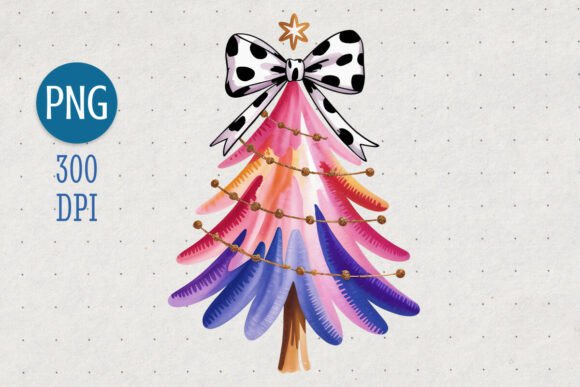
Reviewing the Festive Christmas Tree Sublimation PNG for Embroidery
As an embroidery designer who has spent countless hours digitizing and testing files, I approach every new graphic with a critical eye. We often see resources labeled as Freebies or digital assets marketed for sublimation, but the real question is always: how does this translate to thread? Today, I am evaluating the Festive Christmas Tree Sublimation PNG not as a printer would, but as a stitcher preparing for a real-world project. The goal is to determine if this visual asset can serve as a reliable foundation for high-quality machine embroidery work.
First Impressions and Visual Personality
The first thing that strikes me about the Festive Christmas Tree Sublimation PNG is its bold, graphic silhouette. Unlike intricate vector illustrations that rely on fine lines, this design leans into strong shapes and high contrast. For an embroidery project, this is often a blessing. Complex gradients in sublimation files can be a nightmare to convert into stitch paths, but a solid, festive shape offers a clear roadmap for digitizing or manual placement.
The mood is undeniably cheerful and traditional. It evokes the warmth of holiday gatherings without feeling cluttered. When I visualize this on a product, I do not see it getting lost in noise. Instead, I see a clean, recognizable icon that communicates "holiday" instantly. This clarity is crucial for small business owners and Etsy sellers who need their products to read well from a distance, whether on a crowded craft fair table or in a small thumbnail image online.
Real-World Application: The Holiday Tote Bag Scenario
To test the viability of this design, I imagined a specific use case: a custom embroidered tote bag for a local boutique’s holiday gift-with-purchase promotion. Tote bags are typically made from canvas or heavy cotton, which provides a stable base for embroidery. Using the Festive Christmas Tree Sublimation PNG as a reference for placement and scale, I considered how the tree would look stitched in green thread with red and gold accents.
In this scenario, the design’s simplicity works in its favor. A tote bag undergoes significant wear and tear. A highly detailed embroidery file with thousands of stitches might pull on the fabric or become distorted after multiple washes. However, a design inspired by this PNG’s straightforward layout allows for moderate stitch density. It ensures the finished product remains durable while still looking professional. For a handmade product intended for daily use, durability is just as important as aesthetics.
Versatility Across Product Lines
Beyond tote bags, this design concept adapts well to various substrates. For custom apparel, such as sweatshirt embroidery, the bold shape stands out against fleece or cotton blends. It avoids the "muddy" look that can occur when tiny details are stitched onto textured fabrics. For baby embroidery, such as on onesies or burp cloths, the design can be scaled down effectively. Since it lacks fragile, thin lines, it maintains its integrity even at smaller sizes, reducing the risk of thread breaks during production.
For those creating embroidered patches, this graphic style is ideal. Patches require dense stitching and clear borders to prevent fraying. The strong outline inherent in the Festive Christmas Tree Sublimation PNG translates beautifully into a satin stitch border, giving the patch a polished, retail-ready appearance. Whether you are selling these as standalone accessories or adding them to caps and hats, the visual impact remains strong.
Technical Considerations and Potential Pitfalls
While the design is promising, there are areas where caution is necessary. If you are converting this PNG into a machine embroidery design yourself, pay close attention to the corners of the tree branches. Sharp angles in a digital image can result in excessive needle penetrations if not smoothed out during digitizing. This can lead to puckering, especially on stretchy fabric or thin materials like jersey knits.
Another consideration is stitch density. Sublimation images are flat color, but embroidery has texture. If you attempt to replicate the solid fill of the PNG too aggressively, you may create a stiff, cardboard-like feel on the garment. It is essential to balance fill stitch coverage with running stitch underlays to keep the fabric soft. Always test the design on scrap fabric first. Check how the thread colors interact with the fabric texture. A dark green thread on a black hoodie, for example, might lack the necessary contrast to make the design pop.
For curved surfaces like caps, the width of the tree base matters. If the design is too wide, it may distort around the curve of the front panel. In such cases, consider narrowing the aspect ratio slightly or choosing a taller, narrower variation if available. Always confirm hoop size limitations before finalizing your digitization.
Enhancing Brand Value and Customer Trust
From a business perspective, the quality of your design assets directly influences customer trust. A clean, well-executed holiday embroidery signals professionalism. When buyers see a crisp, well-stitched tree on a pillow cover or kitchen towel, they perceive higher value. This perception supports higher price points and encourages repeat business.
Using a recognizable symbol like this tree helps with brand consistency during the holiday season. It allows you to create a cohesive collection of items—aprons, tea towels, and ornaments—that feel part of a unified line. For digital product sellers, offering this as part of a bundle can increase average order value. However, always verify licensing terms. Just because a file is listed under Freebies does not automatically grant commercial rights for physical goods. Confirm whether the license allows for selling finished items or if it is restricted to personal use only.
Practical Designer Notes for Execution
- Test on Scrap Fabric: Never run a new design on final inventory. Test on the same material and weight to check for puckering or registration issues.
- Check Thread Contrast: Use a color wheel to ensure your thread choices stand out against the fabric. High contrast improves visibility and appeal.
- Review Stitch Density: Adjust density based on fabric type. Lower density for stretchy knits, higher density for stable wovens.
- Use Proper Stabilizer: Match your stabilizer to the fabric. Cut-away stabilizer is often best for garments that will be washed frequently.
- Inspect Small Details: Zoom in on your digitized file. Ensure there are no stray stitches or unnecessary jumps that could cause thread breaks.
- Mockup in Black and White: This helps you evaluate the shape and contrast without the distraction of color, ensuring the form is solid.
In conclusion, the Festive Christmas Tree Sublimation PNG serves as an excellent starting point for holiday embroidery projects. Its strength lies in its simplicity and bold visual identity. By respecting the technical limitations of embroidery machines and fabrics, designers can transform this digital asset into a tangible, high-quality product. Whether you are an experienced digitizer or a hobbyist looking to enhance your handmade gifts, this design offers a reliable path to creating festive, professional-grade items that customers will love.