Reviewing Patchwork Christmas Sublimation Clipart for Embroidery
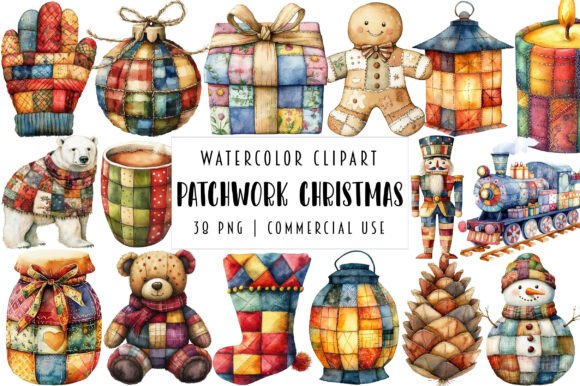
As a designer who has spent countless hours digitizing and stitching out holiday motifs, I have learned that not every digital asset translates well to thread. When I first encountered Patchwork Christmas Sublimation Clipart, my initial reaction was cautious curiosity. Visually, it belongs to the category of Illustrations that rely heavily on texture and color blending—elements that are notoriously difficult to replicate with needle and thread. However, the charm of this design lies in its nostalgic, quilted aesthetic, which offers a unique opportunity for creative adaptation in modern embroidery projects.
The Visual Appeal and Design Personality
The first thing that strikes you about Patchwork Christmas Sublimation Clipart is its warmth. It does not scream for attention with neon brightness; instead, it invites the viewer in with a cozy, handmade feel. The patchwork effect suggests layers, depth, and tradition. For an embroidery designer, this presents both a challenge and a delight. The visual personality is inherently rustic and boutique-style, making it a perfect fit for customers who value artisanal quality over mass-produced perfection.
When evaluating the layout and detail level, I noticed that the design relies on distinct geometric shapes and soft color transitions. In a digital format, these sublimation-style blends look seamless. In embroidery, we must interpret these blends through thread choices. This design naturally belongs to projects where texture is celebrated, such as heavy cotton tote bags, flannel shirts, or structured pillow covers. It feels less appropriate for sleek, high-gloss athletic wear but shines in home decor and casual winter apparel.
Real-World Application: The Holiday Tote Bag Scenario
To truly understand the potential of Patchwork Christmas Sublimation Clipart, let us consider a real-life scenario. Imagine you are preparing a custom order for a local boutique looking to sell limited-edition holiday gift items. You decide to create a set of canvas tote bags featuring this design. The goal is to produce a handmade product that feels substantial and giftable.
In this context, the design performs exceptionally well if approached correctly. The patchwork elements can be interpreted using a combination of fill stitch patterns for the larger colored blocks and satin stitch borders to define the edges of each "patch." This technique mimics the look of actual fabric quilting without the bulk. Customers reacting to the finished product would likely appreciate the tactile quality of the stitching, which enhances the perceived value of the item. It transforms a simple bag into a personalized gift that carries emotional weight.
Performance Across Different Products
Beyond tote bags, this design has versatility. For sweatshirt embroidery, the soft, blended colors of the clipart complement the fuzzy texture of fleece or French terry fabric. Here, you might reduce the stitch density slightly to prevent the garment from becoming stiff. For baby embroidery projects, such as a onesie or a burp cloth, the gentle, non-aggressive lines of the patchwork style are safe and appealing. However, you must ensure that any small details are simplified, as infants require durable, smooth finishes against sensitive skin.
If you are an Etsy seller or run a small shop, this design can also serve as a central element for embroidered patches. By using a dense satin border and a cut-away stabilizer, you can create a standalone patch that customers can iron onto jackets or hats. This expands your product line without requiring new digitization work. Additionally, for holiday embroidery on kitchen towels, the design adds a festive touch without overwhelming the utility of the item.
Technical Considerations and Cautionary Notes
While Patchwork Christmas Sublimation Clipart is visually stunning, it requires careful technical handling. Not every surface is suitable. On stretchy fabric like jersey knits, the rigid nature of embroidery stitches can cause puckering if the design is too large or dense. You must use a high-quality stabilizer and possibly hoop the fabric with a backing to maintain integrity.
Another critical area is dark fabric. Since sublimation designs often feature light, pastel, or blended tones, stitching them directly onto black or navy material will result in poor visibility. In such cases, consider using an applique design technique. Cut lightweight fabric in the required colors and stitch them down, using the embroidery machine only for the outlines and decorative topstitching. This preserves the color accuracy of the original clipart while ensuring the design pops against the dark background.
Be wary of tiny corners and intricate intersections within the patchwork pattern. If the hoop size is small, such as a 4x4 inch hoop, you may need to simplify the design. Tiny details can get lost in the thread buildup, leading to a muddy appearance. Always check whether the design works for both personal and commercial projects by reviewing the license terms associated with the digital embroidery file or source image.
Enhancing Brand Consistency and Customer Trust
Using high-quality assets like Patchwork Christmas Sublimation Clipart affects more than just the physical product; it influences your brand perception. Consistent use of cohesive, well-executed designs builds customer trust. When buyers see that your custom apparel or home decor items feature thoughtful, professional-grade embroidery, they are more likely to engage with your brand and return for future purchases.
This design supports brand consistency if your shop focuses on rustic, vintage, or cozy aesthetics. It helps in creating a recognizable style that sets you apart from competitors using generic, clip-art-heavy designs. The professionalism evident in a well-stitched patchwork motif signals to the buyer that care and expertise went into the creation of their finished product.
Practical Designer Notes for Implementation
Before committing to a full production run, follow these practical steps:
- Test on scrap fabric: Always stitch out a sample on the exact material you plan to use for the final product. This reveals issues with tension, density, and color interaction.
- Check thread color contrast: Sublimation images blend colors subtly. In embroidery, you must choose thread colors that distinguish each patch clearly while maintaining harmony.
- Review stitch density: High density can make fabric stiff and cause registration issues. Adjust your digitizing settings to balance coverage with flexibility.
- Inspect small details: Zoom in on the digital file. If lines are too close together, they may merge during stitching. Simplify complex areas if necessary.
- Use proper stabilizer: Match the stabilizer to the fabric weight. Heavy fabrics need cut-away support; light fabrics may require tear-away or wash-away options.
- Confirm licensing: Ensure you have the right to use the source Illustrations for commercial goods. If you are selling the digital file itself, verify that redistribution is permitted.
In conclusion, Patchwork Christmas Sublimation Clipart is a valuable asset for the discerning embroidery designer. It bridges the gap between digital artistry and tactile craft, offering a pathway to create unique, high-value items. By understanding its strengths and respecting its technical limitations, you can leverage this design to enhance your craft business and delight your customers with memorable, beautifully stitched holiday treasures.