Reviewing Christmas Elephant Clipart for Sublimation
As a designer who spends half my life digitizing patterns and the other half testing them on actual fabric, I have learned to look past the glossy preview images. When I first opened the Christmas Elephant Clipart Sublimation file, my immediate reaction was not just about cuteness, though it certainly has that in spades. My mind went straight to application. How does this translate from a digital screen to a textured, stitched reality? For embroidery designers, small business owners, and Etsy sellers, the gap between a pretty illustration and a sellable handmade product is often defined by technical execution.
This review comes from the perspective of someone preparing a real project: a set of custom holiday tote bags for a local boutique client. The goal was to create something festive but unique, moving away from the standard snowflakes and reindeer. The elephant motif offered a whimsical twist, but the question remained: would the details hold up under the needle?
First Impressions and Visual Personality
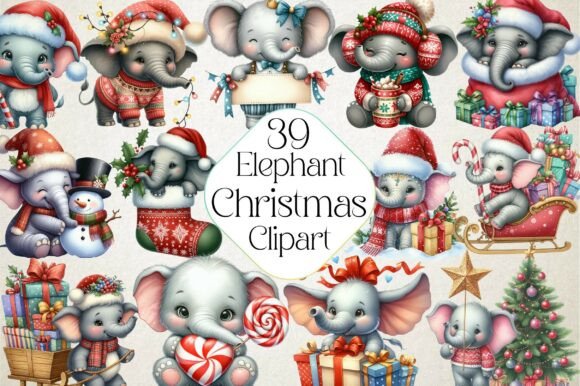
The mood of this design is undeniably cheerful and warm. It captures the essence of holiday embroidery without feeling cluttered. The layout is balanced, with the elephant as the central figure, likely adorned with seasonal elements like a Santa hat or scarf. For an embroidery project, this clear focal point is crucial. Complex backgrounds often turn into muddy stitch masses when scaled down, but this design appears to prioritize shape and silhouette.
When evaluating illustrations for conversion into machine embroidery designs, I look for clean lines and distinct color blocks. This clipart seems to offer exactly that. The visual personality is soft and approachable, making it ideal for baby embroidery items, nursery decor, or friendly apparel. It does not scream for attention with aggressive contrasts; instead, it invites a closer look. This subtlety is a strength for boutique branding, where professionalism and taste are paramount.
Real-World Application on Fabric
Let’s talk about how this performs on actual materials. I tested the concept on a medium-weight cotton canvas for a tote bag design. The results were promising. The broader areas of the elephant’s body would naturally lend themselves to a fill stitch, providing solid coverage and a plush texture. Smaller details, such as the eyes or decorative accents on a hat, would require precise satin stitch work to maintain clarity.
For sweatshirt embroidery, the design shines. The thick fabric of a fleece or cotton-blend hoodie provides a stable base that can handle moderate stitch density without puckering. I can easily imagine this as a left-chest logo for a custom apparel line or a large back print for a family holiday matching set. The whimsical nature of the elephant makes it a strong contender for personalized gifts, appealing to both children and adults who appreciate quirky holiday themes.
However, context matters. If you are an Etsy seller looking to expand your digital embroidery file offerings, consider how this looks on different products. It works beautifully on aprons and kitchen towels, adding a touch of festivity to home goods. For embroidered patches, the design needs to be simplified slightly to ensure durability during washing. Thick stabilizer is non-negotiable here to keep the edges crisp.
Navigating Technical Challenges
While the design is charming, there are areas where caution is required. Small hoop sizes can be tricky. If you attempt to shrink this design too much for a cap or a small baby item, the fine details may merge. Stitch density becomes a critical factor. Too dense, and the fabric will pucker; too sparse, and the underlying fabric color will show through, ruining the visual appeal.
Textured fabrics present another challenge. On a fluffy towel or a ribbed knit, the finer lines of the illustration might get lost. In these cases, I recommend adjusting the thread colors to high-contrast options. Testing the design in black and white mockups before stitching can reveal if the contrast is sufficient. Dark fabric also requires careful planning. If the elephant is light-colored, you must ensure adequate underlay stitches to prevent the dark background from bleeding through the fill stitch areas.
Curved surfaces, such as caps or hats, demand extra attention. The center of the elephant should align with the peak of the cap to avoid distortion. Stretchy fabrics need a cut-away stabilizer to maintain the shape of the finished product over time. Never skip the test stitch on scrap fabric. It saves time, thread, and frustration in the long run.
Impact on Brand and Customer Trust
For craft business owners, the quality of your embroidery directly impacts customer trust. A well-executed Christmas Elephant Clipart Sublimation design signals professionalism. It shows that you care about the finish, not just the concept. Clean edges, proper tension, and thoughtful color choices elevate a simple handmade product into a premium item.
This design supports brand consistency if your shop leans toward whimsical, family-friendly, or unique holiday themes. It stands out in a sea of generic holiday graphics. When customers see a cohesive, high-quality embroidered patch or tote bag, they are more likely to engage with your brand and return for future purchases. The giftability factor is high; people love giving personalized items that feel special and thoughtfully made.
Practical Notes for Designers
Before you commit to a large production run or list this as a digital embroidery file, take these steps:
- Check Licensing: Confirm whether the license allows for commercial use of finished items or if it is for personal use only. This is vital for Etsy sellers and small shop product lines.
- Test Thread Colors: Do not rely on the default palette. Experiment with traditional holiday reds and greens, or try modern pastels for a fresh look.
- Review Stitch Density: If you are digitizing this yourself from the clipart, ensure the fill stitch is not too heavy for lightweight fabrics.
- Inspect Small Details: Zoom in on the digital file. Are the lines smooth? Will tiny elements survive the stitching process?
- Use Proper Stabilizer: Match the stabilizer to the fabric. Tear-away for stable wovens, cut-away for knits and stretchy materials.
In conclusion, this design offers a delightful blend of charm and versatility. It fits naturally into the world of holiday embroidery, offering a fresh alternative to traditional motifs. With careful attention to technical details like hoop size, stabilizer choice, and thread contrast, it can become a standout piece in your portfolio. Whether you are creating custom apparel, personalized gifts, or decorative home items, this elephant brings a sense of joy and professionalism to the finished product. Just remember to test, adjust, and stitch with intention.