Reviewing Christmas Nativity Ornaments Cipart for Embroidery
As a designer who has spent years translating digital art into thread, I approach every new machine embroidery design with a mix of curiosity and caution. We have all been there: you see a beautiful graphic online, purchase the embroidery file, and then watch in horror as it puckers the fabric or loses its charm under the needle. Today, I am taking a close look at Christmas Nativity Ornaments Cipart to determine if it holds up in real-world production environments.
This piece falls under the category of Illustrations, which immediately tells me that detail and line quality are paramount. Unlike simple logos or block text, illustrative designs require a nuanced understanding of how stitch types interact with complex shapes. My goal here is not just to describe the image, but to evaluate its viability for your next embroidery project, whether you are running a small shop or creating personalized gifts for family.
First Impressions and Visual Mood
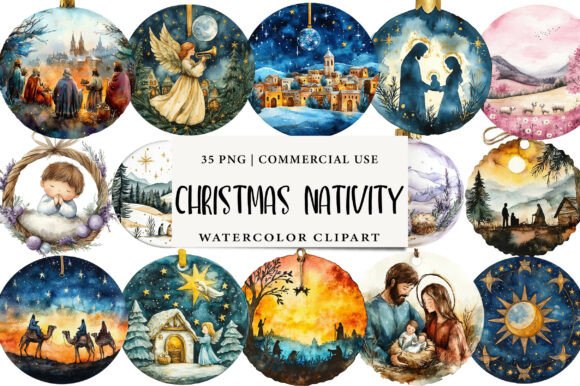
The first thing that strikes me about Christmas Nativity Ornaments Cipart is its inherent warmth. The composition likely features traditional elements such as the manger, stars, or silhouettes that evoke the quiet reverence of the holiday season. For an embroidery designer, the mood is crucial because it dictates the thread palette and fabric choice. This design feels suited for soft, natural textures rather than high-gloss synthetics.
When evaluating the layout, I look for balance. Does the design have a clear focal point? In nativity scenes, the eye is usually drawn to the central figures. If this clipart maintains strong visual hierarchy, it will translate well into stitches. However, illustrative styles can sometimes rely on subtle gradients or fine lines that do not digitize easily. My initial assessment suggests that this design works best when treated with respect for its narrative quality, rather than trying to force it into a dense, heavy stitch pattern.
Real-World Application Scenarios
To truly test a design, I imagine it on actual products. Let us consider a custom tote bag design for a local church gift shop. Using Christmas Nativity Ornaments Cipart on a canvas tote requires a sturdy stabilizer and potentially a fill stitch approach for larger areas to ensure durability. The design would serve as a beautiful centerpiece, appealing to customers looking for meaningful holiday embroidery.
Another viable option is sweatshirt embroidery. Here, the texture of the fleece or cotton blend matters. If the design includes fine details, they might get lost in the pile of the fabric. I would recommend scaling the design up slightly and ensuring that any running stitch outlines are thick enough to remain visible. For a more delicate application, consider baby embroidery on a onesie or blanket. In this context, softness is key. You might opt for an applique design technique, where the main shapes are cut from fabric and stitched down, reducing the amount of thread on the baby’s skin while keeping the visual impact of the nativity scene.
For Etsy sellers and craft business owners, this design could be a standout item in a seasonal collection. It fits well on embroidered patch projects, which are currently trending. A patch allows for higher stitch density without worrying about garment distortion, making it ideal for intricate illustrations. Additionally, it could be used for custom apparel like aprons during the holiday baking season, adding a touch of tradition to kitchen wear.
Technical Considerations and Fabric Choices
While the aesthetic appeal is strong, we must address the technical challenges. Christmas Nativity Ornaments Cipart may contain small details that require careful handling. If you are working with stretchy fabric like jersey knits, you must use a cut-away stabilizer to prevent the design from warping after washing. On dark fabric, contrast becomes an issue. If the original illustration relies on light colors against a dark background, ensure your thread choices provide sufficient pop. Testing the design in black and white mockups can help you identify potential visibility issues before you stitch a single thread.
Stitch density is another critical factor. Illustrative designs can sometimes be over-digitized, leading to stiff, cardboard-like results. I advise checking the stitch count if available, or doing a test run on scrap fabric. If the design feels too dense, consider asking the digitizer for a lighter version or adjusting your machine settings to reduce pull. For curved surfaces like caps or hats, the design needs to be simplified. Complex nativity scenes may not wrap well around a crown, so consider using just a single element, such as a star or silhouette, for headwear.
Enhancing Product Value and Brand Consistency
Using high-quality assets like Christmas Nativity Ornaments Cipart directly impacts customer trust. When a handmade product looks professional and clean, buyers perceive higher value. This is especially true for personalized gift items where emotional connection drives the purchase. A well-executed nativity design can become a signature piece for your brand, reinforcing a message of tradition and care.
For digital embroidery file sellers, offering this design as part of a bundle can increase average order value. Ensure that your printable mockup images accurately represent the stitched result. Misleading previews can lead to refunds and negative reviews. Transparency about the design’s complexity and recommended hoop size helps manage customer expectations.
Practical Designer Notes
Before launching into full production, follow these steps to ensure success with Christmas Nativity Ornaments Cipart:
- Test on Scrap Fabric: Always stitch a sample on the same material you plan to use for the final product. This reveals tension issues and color clashes.
- Check Thread Color Contrast: Select threads that complement each other and stand out against the background fabric. Avoid using similar shades for adjacent elements.
- Review Stitch Density: Ensure the design is not too heavy for lightweight fabrics. Adjust density if necessary to maintain fabric drape.
- Confirm Hoop Size: Verify that the design fits within your machine’s maximum hoop area. If it is large, consider splitting it or using a larger hoop if available.
- Inspect Small Details: Zoom in on the digital file to check for tiny elements that may not stitch well. Simplify if needed.
- Use Proper Stabilizer: Match the stabilizer to the fabric type. Tear-away for stable wovens, cut-away for knits, and wash-away for delicate or sheer materials.
- Verify Licensing: Before selling commercial embroidery items, confirm that the license for the clipart allows for finished product sales. Some licenses restrict usage to personal projects only.
In conclusion, Christmas Nativity Ornaments Cipart offers a charming and traditional aesthetic that can elevate various small shop product lines. By paying attention to technical details and choosing the right applications, you can create stunning finished product items that resonate with customers. Whether for boutique branding or heartfelt gifts, this design has the potential to be a staple in your holiday collection, provided it is handled with the precision and care that quality embroidery demands.