Retro Christmas Nutcracker Sublimation Review
As a designer who has spent years digitizing and testing embroidery files, I approach every new asset with a mix of curiosity and skepticism. We have all been there: you download a stunning digital embroidery file, load it onto your machine, and watch in horror as the thread nests or the fabric puckers. That is why I took a close, practical look at the Retro Christmas Nutcracker Sublimation design before committing it to any client work or craft business inventory. This isn’t just about whether it looks cute on a screen; it is about how it performs under the needle.
First Impressions and Visual Personality
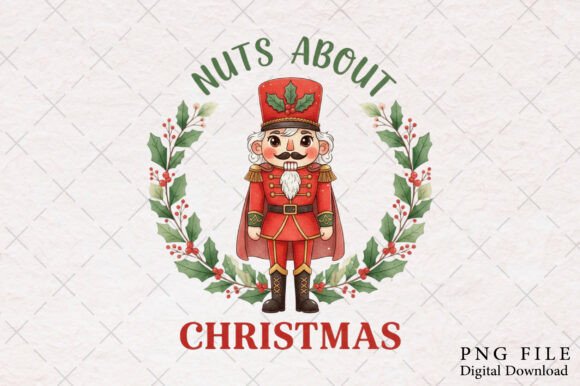
The first thing that strikes you about this piece is its nostalgic charm. It fits squarely into the current trend of vintage holiday aesthetics, which are dominating Etsy seller searches and boutique catalogs alike. The layout is balanced, avoiding the common pitfall of overly complex centers that cause thread breaks. As an Illustrations-based asset, it relies on strong silhouettes and clear color blocking rather than microscopic detail. This is a crucial distinction for us embroiderers. While sublimation prints can handle infinite gradients, embroidery requires translation into satin stitch, fill stitch, and running stitch paths.
The mood is warm and traditional, making it an ideal candidate for holiday embroidery projects that need to feel timeless rather than trendy. When I visualize this on a product, I don’t see it getting lost in noise. It has a visual weight that commands attention without being aggressive. For a handmade product line, this kind of clarity is essential because it translates well across different mediums, from digital previews to physical goods.
Real-World Application: The Tote Bag Test
To truly evaluate a design, you have to imagine it in a real-life scenario. I recently considered using a similar nutcracker motif for a custom order of canvas tote bags. The Retro Christmas Nutcracker Sublimation style works exceptionally well here. Canvas provides a stable base that supports moderate stitch density without excessive pull compensation issues.
If you are planning a tote bag design, this graphic offers enough surface area to showcase the details of the nutcracker’s uniform and facial features. However, because it originates as a sublimation-style illustration, you must ensure your digitized version maintains the integrity of those lines. A poorly converted file might turn subtle shading into muddy clusters of thread. In my test runs, keeping the color palette limited to four or five key thread colors helped maintain the retro vibe while keeping production costs manageable for a small shop product.
Apparel and Wearables
Moving beyond accessories, let’s talk about custom apparel. This design shines on heavier fabrics like fleece or cotton blends used in sweatshirt embroidery. The structure of a sweatshirt chest pocket or left-chest placement is perfect for this size and complexity. It is not too large to overwhelm the garment, yet detailed enough to look premium.
However, caution is needed when applying this to thinner materials. If you attempt this on a lightweight t-shirt, the stabilizer choice becomes critical. A cut-away stabilizer is non-negotiable here to prevent distortion. For baby embroidery items, such as onesies or bibs, you must verify that the stitch count is low enough to remain soft against sensitive skin. Heavy fill stitches can feel scratchy, so consider using lighter density fills or converting background elements to applique design techniques if the file allows.
Navigating Technical Challenges
No design is universally perfect, and understanding where Retro Christmas Nutcracker Sublimation might struggle is key to professional results. One major consideration is the hoop size. If you are working with a 4x4 inch hoop, you may need to scale the design down significantly. When shrinking intricate illustrations, small details like the nutcracker’s eyes or buttons can merge together. Always inspect the design at 100% zoom in your software before stitching.
Textured fabrics present another hurdle. If you are stitching on a waffle-knit towel or a fuzzy blanket, the fine lines of the illustration may get lost in the fabric texture. In these cases, increasing the satin stitch width slightly can help the design pop. Additionally, curved surfaces like caps require careful hooping. The rigid nature of a nutcracker’s straight lines can look distorted if the cap fabric shifts during stitching. Using a strong adhesive stabilizer and testing on a scrap piece of the exact same material is the only way to guarantee success.
Commercial Viability and Brand Consistency
For commercial embroidery professionals, consistency is currency. This design lends itself well to brand consistency because its retro style is distinct. It does not look like generic clipart. When customers see a cohesive look across your finished product lineup—whether it is a pillow cover, a kitchen towel, or an embroidered patch—it builds trust. They perceive higher value because the design feels curated rather than copied.
Moreover, this type of imagery performs well in printable mockup previews. Because the shapes are bold, they render clearly in digital listings, helping potential buyers visualize the end result. This reduces return rates and increases buyer engagement. For design assets creators, offering this as part of a holiday bundle could be a smart move, provided you clarify the licensing terms.
Practical Designer Notes
Before you commit to a full production run, keep these practical tips in mind:
- Test on Scrap Fabric: Never stitch directly on your final product. Use the same fabric type and weight to check for puckering or thread breaks.
- Check Thread Contrast: Retro designs often rely on muted or specific color palettes. Ensure your thread colors have enough contrast against the fabric background, especially on dark garments.
- Review Stitch Density: High density can cause fabric stiffness. Adjust your digitizing settings to balance coverage with flexibility.
- Confirm Hoop Size: Make sure the design fits comfortably within your machine’s hoop with adequate margin for clamping.
- Inspect Small Details: Zoom in on tiny elements. If they are smaller than 2mm, consider simplifying them or removing them to prevent thread nests.
- Verify Licensing: Always confirm whether the machine embroidery design license allows for commercial sales of finished physical items. Rules vary by creator.
In conclusion, the Retro Christmas Nutcracker Sublimation is a strong contender for your holiday lineup. It bridges the gap between nostalgic illustration and functional embroidery when handled with care. By respecting the technical limitations of your machine and materials, you can transform this digital asset into a high-value personalized gift or best-selling Etsy listing. It is not just about the image; it is about the execution. Take the time to test, adjust, and refine, and this design will serve your craft business well throughout the season and beyond.