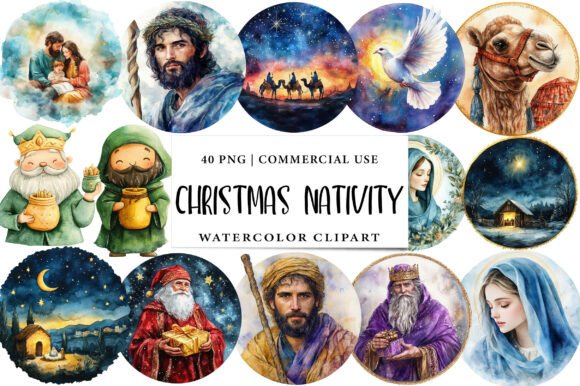
Nativity Scene: Religious Christmas Illustrations
As a digital publisher who has spent years refining the visual identity of high-traffic blogs and editorial platforms, I approach every new graphic design asset with a critical eye. It is not enough for an image to be pretty; it must perform. When I first loaded the files for Nativity Scene, Religious Christmas, my immediate impression was one of serene authority. This is not a chaotic or overly playful set of visuals. Instead, it carries a weight of tradition and warmth that instantly signals quality to the reader. For content creators operating in the faith-based, family lifestyle, or seasonal educational niches, this asset offers a rare combination of artistic integrity and functional versatility.
Setting the Editorial Mood
The mood created by these Illustrations is distinctly seasonal yet timeless. In web design, mood dictates trust. If your website header feels rushed or generic, readers subconsciously question the reliability of your advice. The Nativity Scene, Religious Christmas collection avoids the trap of looking like cheap clip art. It feels curated. Whether you are running a ministry blog, a homeschooling resource site, or a boutique shop selling holiday decor, this aesthetic supports a brand identity that is both professional and deeply personal. It leans into a decorative, artistic style that feels handmade, which is crucial for building an emotional connection with your audience during the holidays.
Real-World Publishing Applications
So, how does this translate into your daily workflow? I tested these assets across several key touchpoints in a standard content publishing pipeline. Here is where they shine:
- Blog Featured Images: The composition works beautifully as a hero image. It provides enough negative space to overlay bold headline text without losing the integrity of the artwork.
- Pinterest Graphics: Vertical layouts are king on Pinterest. These illustrations scale well for tall pins, drawing the eye in a crowded feed while maintaining clarity even at smaller sizes.
- Newsletter Headers: Email open rates often depend on visual appeal. Using this asset in your December newsletters creates immediate seasonal recognition, encouraging clicks through to your latest posts.
- Digital Products: If you create digital guides, worksheets, or eBook covers, these images add significant perceived value. They transform a plain PDF into a polished printable design that customers feel good about downloading.
- Social Media Graphics: From Instagram stories to Facebook ads, the consistent style helps maintain brand identity across platforms, making your content instantly recognizable.
Enhancing Content Performance
Beyond aesthetics, we must talk about metrics. A strong visual hierarchy leads to better user engagement. When I placed the Nativity Scene, Religious Christmas graphics alongside serif and sans-serif fonts, the contrast was excellent. This improves readability and keeps the reader focused on your message. In content marketing and affiliate marketing, trust is currency. High-quality visuals signal that you have invested in your platform. This investment pays off in lower bounce rates and higher click-through potential. Readers are more likely to engage with a lead magnet or click an affiliate link if the surrounding content looks polished and authoritative.
Strategic Placement for Maximum Impact
To get the most out of this creative design package, consider where it lives on your page. It works best as a focal point. Use it in category thumbnails to create a cohesive look across your archive. It serves as an excellent accent in editorial layouts, breaking up long blocks of text. However, be mindful of context. While it is versatile, it should be used carefully in text-heavy blog images where legibility is paramount. Always ensure there is sufficient contrast between the illustration and any overlay text. For serious professional niches or corporate content that requires a stark, minimal visual system, this decorative style might feel too ornate. Know your audience.
Practical Publisher Notes for Implementation
Before you upload these files to your server, follow this checklist to ensure optimal performance and legal safety. As someone who manages multiple sites, I never skip these steps:
- Test Across Devices: Preview the images on both desktop and mobile screens. What looks balanced on a monitor might feel cramped on a smartphone. Ensure the key elements of the nativity scene remain visible in small mobile thumbnails.
- Check File Size: Large images slow down your site, hurting SEO. Compress your images properly using tools like TinyPNG or ShortPixel before uploading. Aim for the smallest file size that retains visual quality.
- Typography Pairing: Experiment with font pairings. Try the asset beside a classic serif font for a traditional feel, or a clean sans-serif for a modern twist. Avoid overly busy script fonts that might compete with the detailed lines of the illustration.
- Color Contrast: Test the image against different background colors. If your site uses a dark mode, ensure the illustration still pops. You may need to adjust brightness or add a subtle drop shadow to separate the image from the background.
- Licensing Verification: This is critical. Confirm you have the appropriate commercial license before using these assets on monetized websites, affiliate pages, or in paid content products. Most items from a creative marketplace come with specific terms regarding resale and redistribution. Never assume; always read the license file.
Final Thoughts on Visual Identity
In the crowded digital landscape, your small business branding relies heavily on consistency. The Nativity Scene, Religious Christmas collection is more than just a holiday decoration; it is a tool for strengthening your visual narrative. Whether you are designing a Canva template for clients, creating a digital download for your store, or simply sprucing up your blog’s seasonal look, these design assets provide a foundation of quality. They allow you to produce content that looks expensive and thoughtful without requiring hours of custom illustration work. By integrating these Illustrations into your editorial design strategy, you elevate the entire user experience, turning casual visitors into loyal readers and customers. Remember, in digital publishing, perception is reality. Make sure yours is impeccable.